Problem
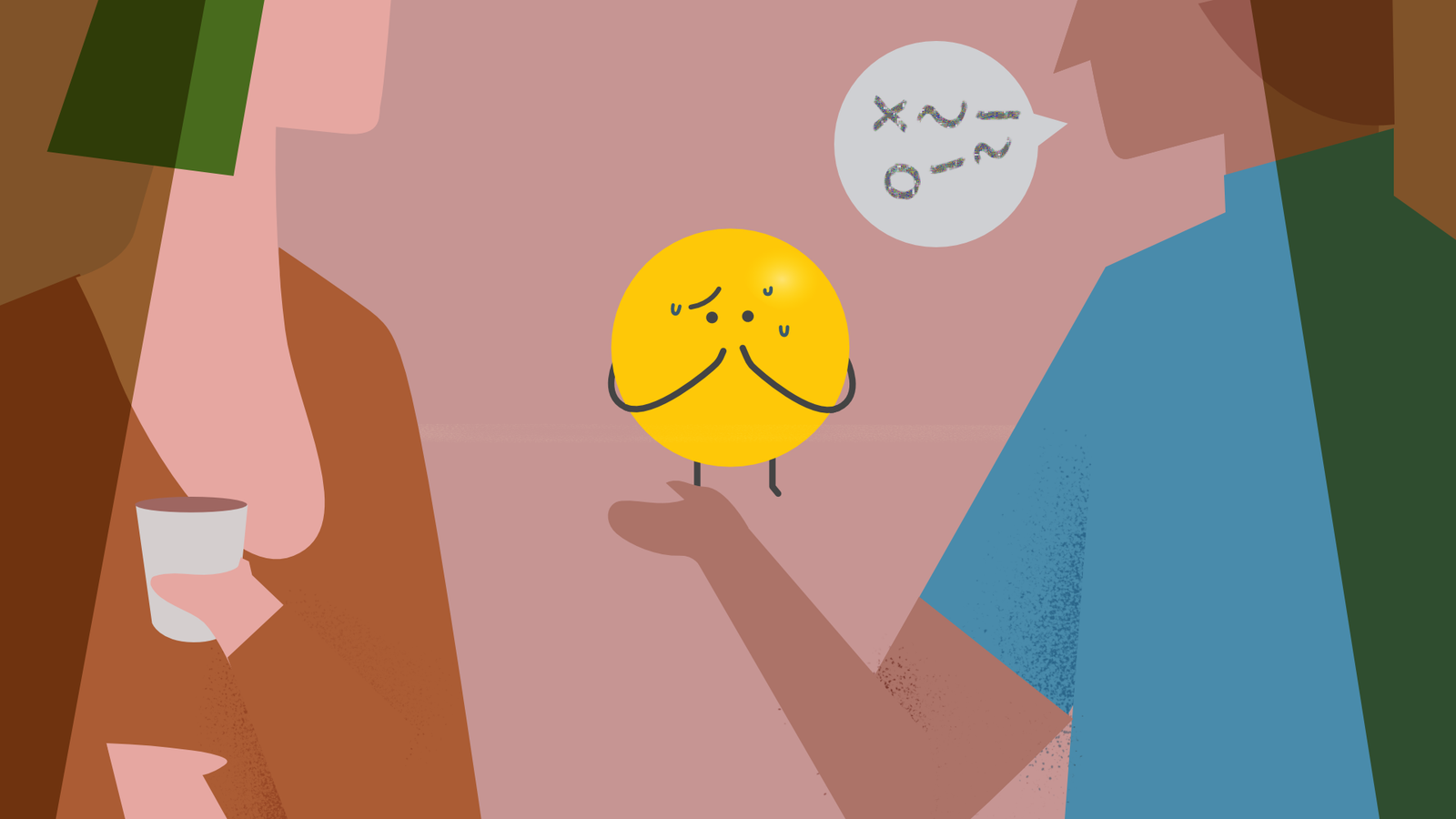
“I don’t know what to say, I’m so terrified.”
Many language learners reach an intermediate level but feel stuck despite knowing more vocabulary and grammar.
Existing apps often focus on tracking progress, memorization, and learning content, but learners still struggle to use language naturally in real conversations.
The gap is not knowledge — it is uncertainty about what to say and how well they’re actually doing.
Insight
I thought maybe seeing their habits, patterns, and mistakes could give them more clarity and motivation. I ran a survey and interviews with those levels. But my initial assumption turned out to be wrong.
They didn’t want to focus on their weaknesses. What actually gave them clarity was practice. They felt more confident because they felt prepared for similar situations.
Direction & Early test
I’ve always enjoyed detective and spy stories, where characters train for situations they can’t fully predict. So I started thinking, what could possibly feel more prepared than spy training? I wondered if that idea could work for language learning, without the intense pressure. That’s when I came across branching scenarios.
With branching scenarios, learners practice conversations that can unfold in different ways depending on what the other person says. Each response creates a new path.
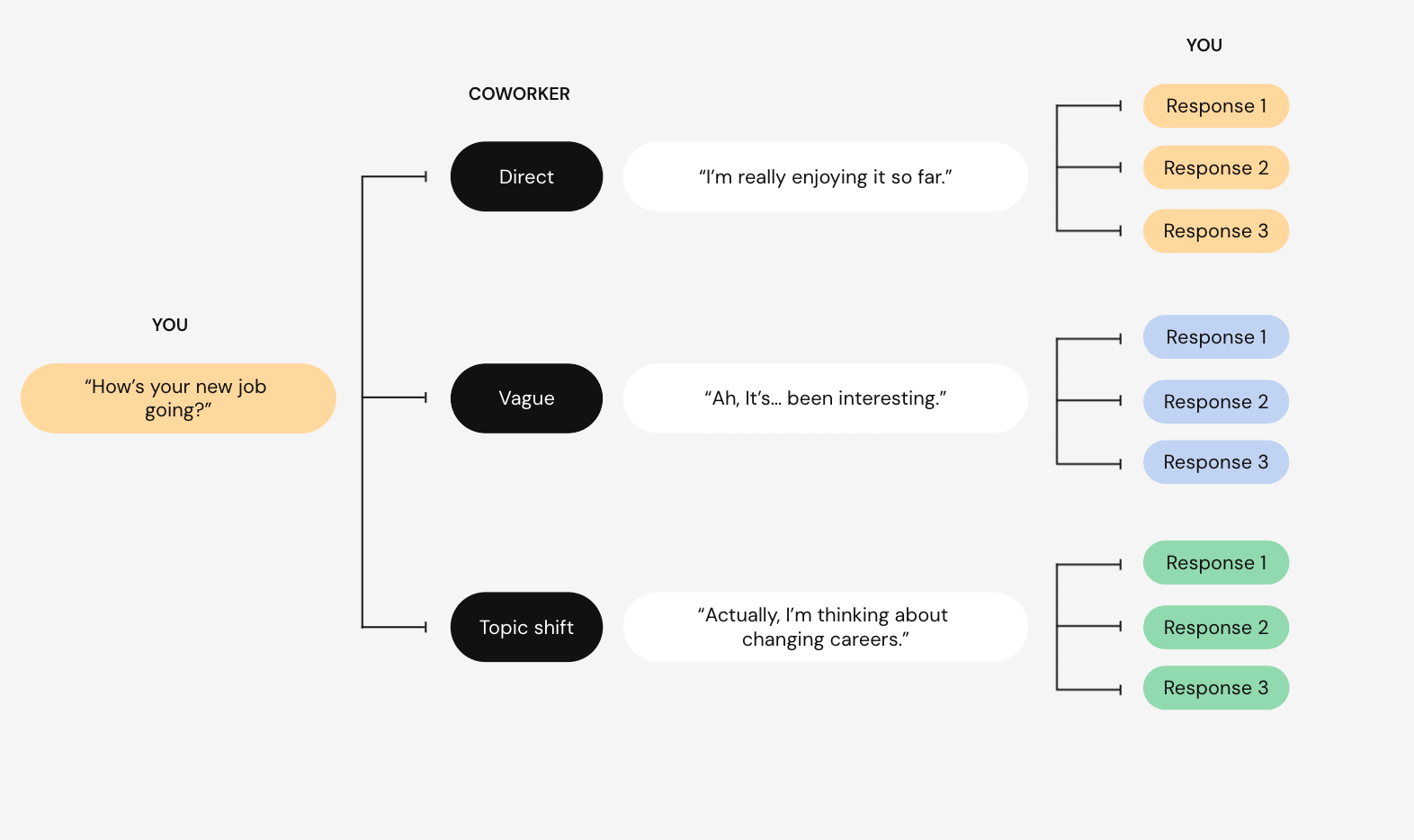
It felt especially relevant for advanced learners, who already know the language but still have to figure out what’s happening and what to say next in real time.
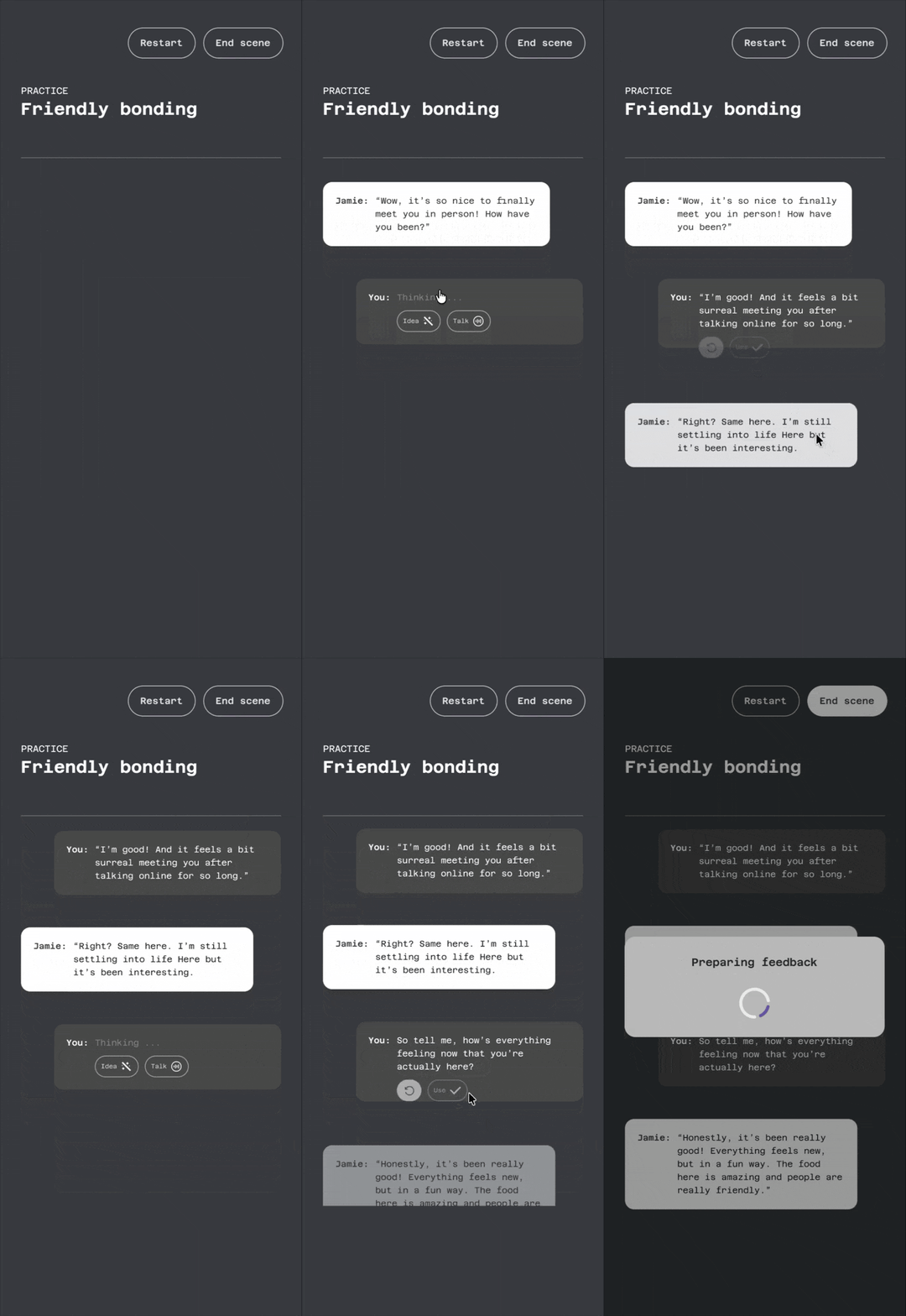
So I wanted to see if practicing different possibilities could actually help learners feel more prepared and confident. I quickly built two prototypes using the same situation—one with a traditional dialogue and one with branching—and tested them with a few participants.
Traditional
Branching
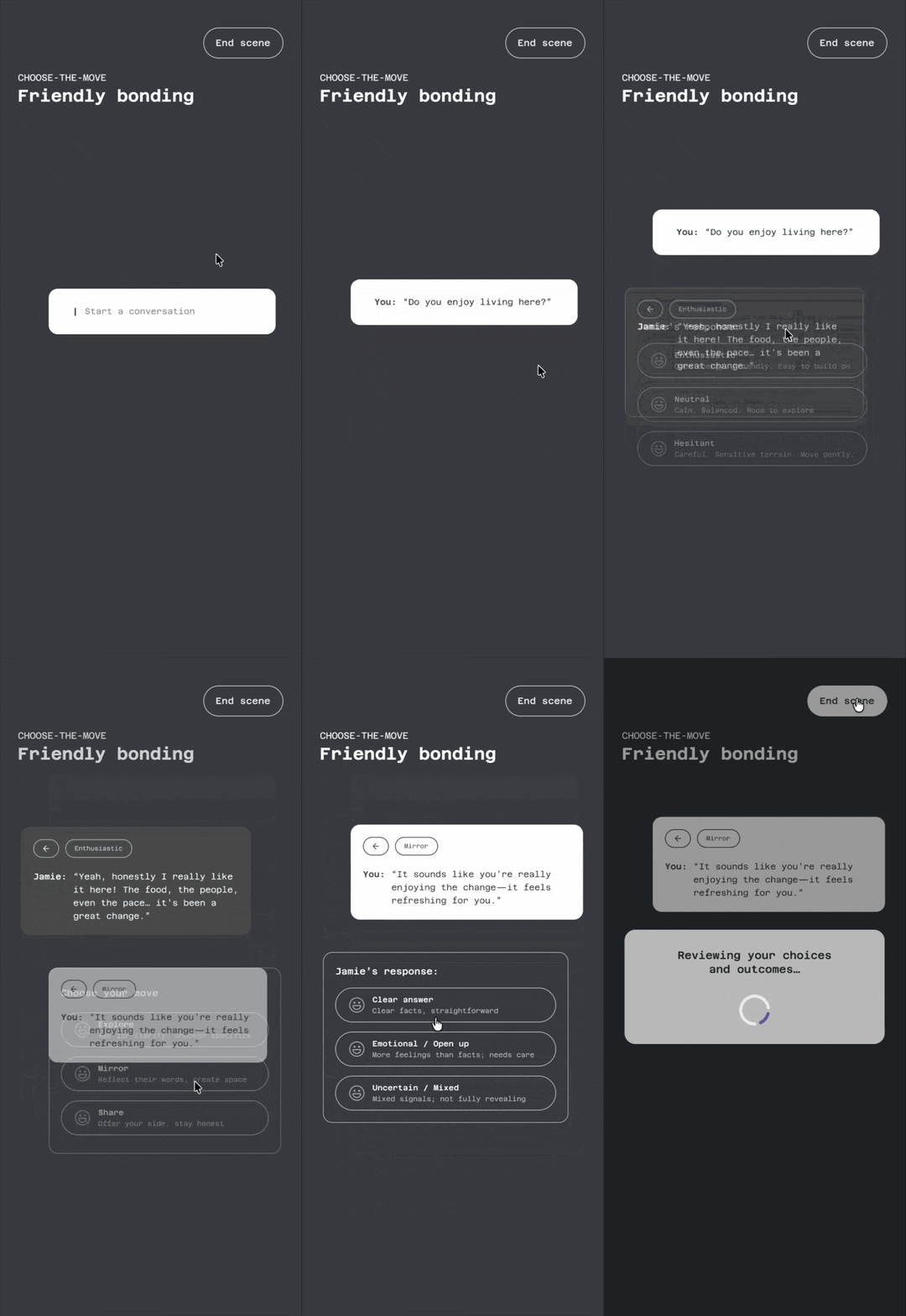
The traditional version followed one fixed path, while the branching version let participants make choices along the way. Participants felt more engaged with the branching version. They said it felt more realistic because they were actively thinking about what they would actually say next. That encouraged me to continue developing this direction.
Define
The branching test was promising, so I continued in that direction. But conversations are only part of language learning—learners also spend a lot of time saving and reviewing vocabulary.
So I started asking, How could saving and reviewing vocabulary support the same goal?
As a language learner, I wanted to save a word with the image and context where I found it, so I could remember the moment, not just the word. The branching test had already shown me that language felt more engaging when it was connected to the moment it was being used, rather than practiced in isolation.
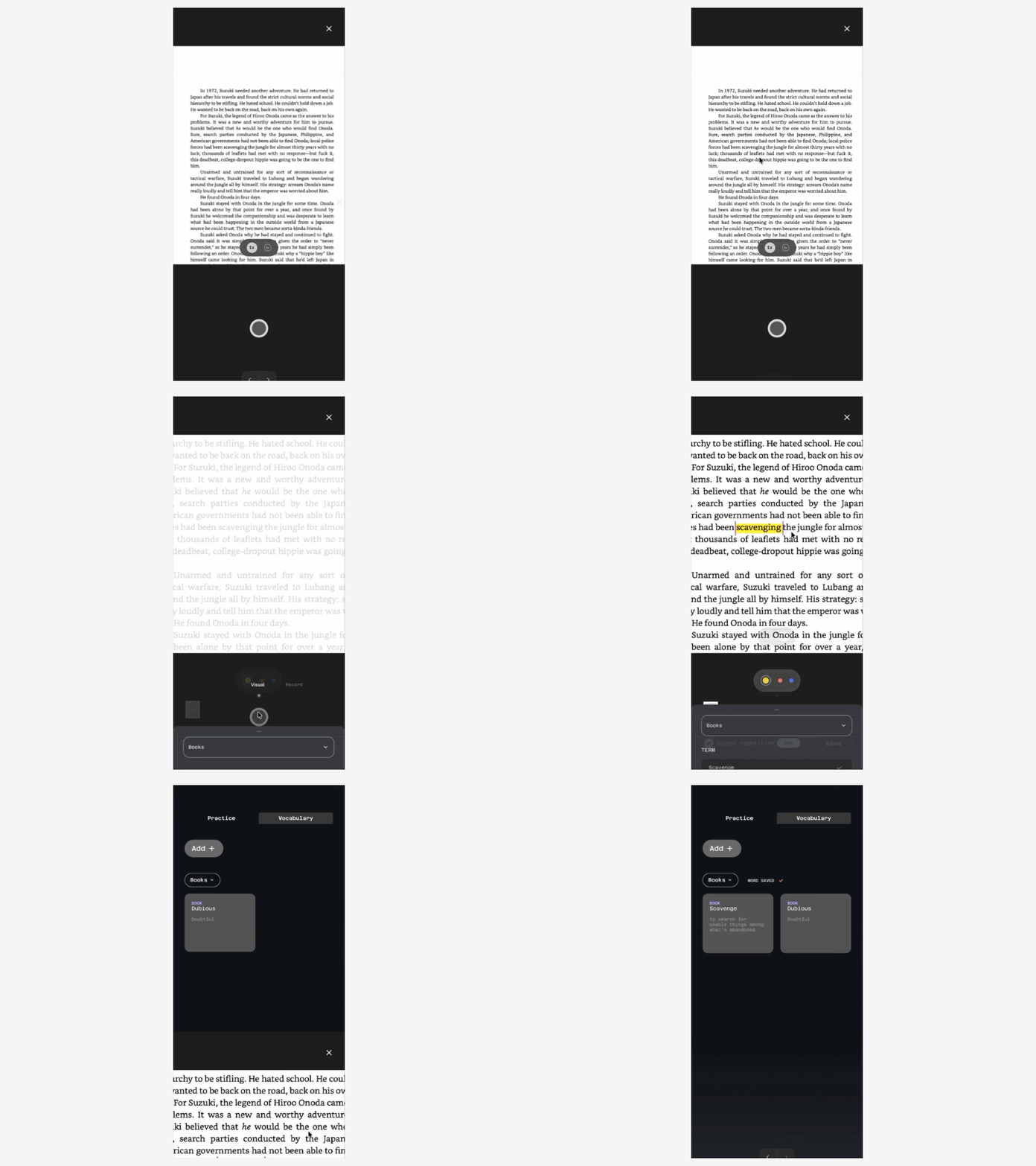
I tested the idea with learners. They were initially surprised by the interaction, but quickly understood it once I explained it. The response was positive, though it showed me that some onboarding was needed.
Concept & Iteration
With that direction, I started thinking about how the product should feel as learners build preparedness over time. I didn’t want it to feel like a list of tasks or levels. I wanted it to reflect how learners build and revisit language over time.
That led me to the visual metaphor of a galaxy—a network of connected pieces that grows over time, much like language in our minds.

Saving words
The galaxy metaphor shaped how the rest of the experience came together.
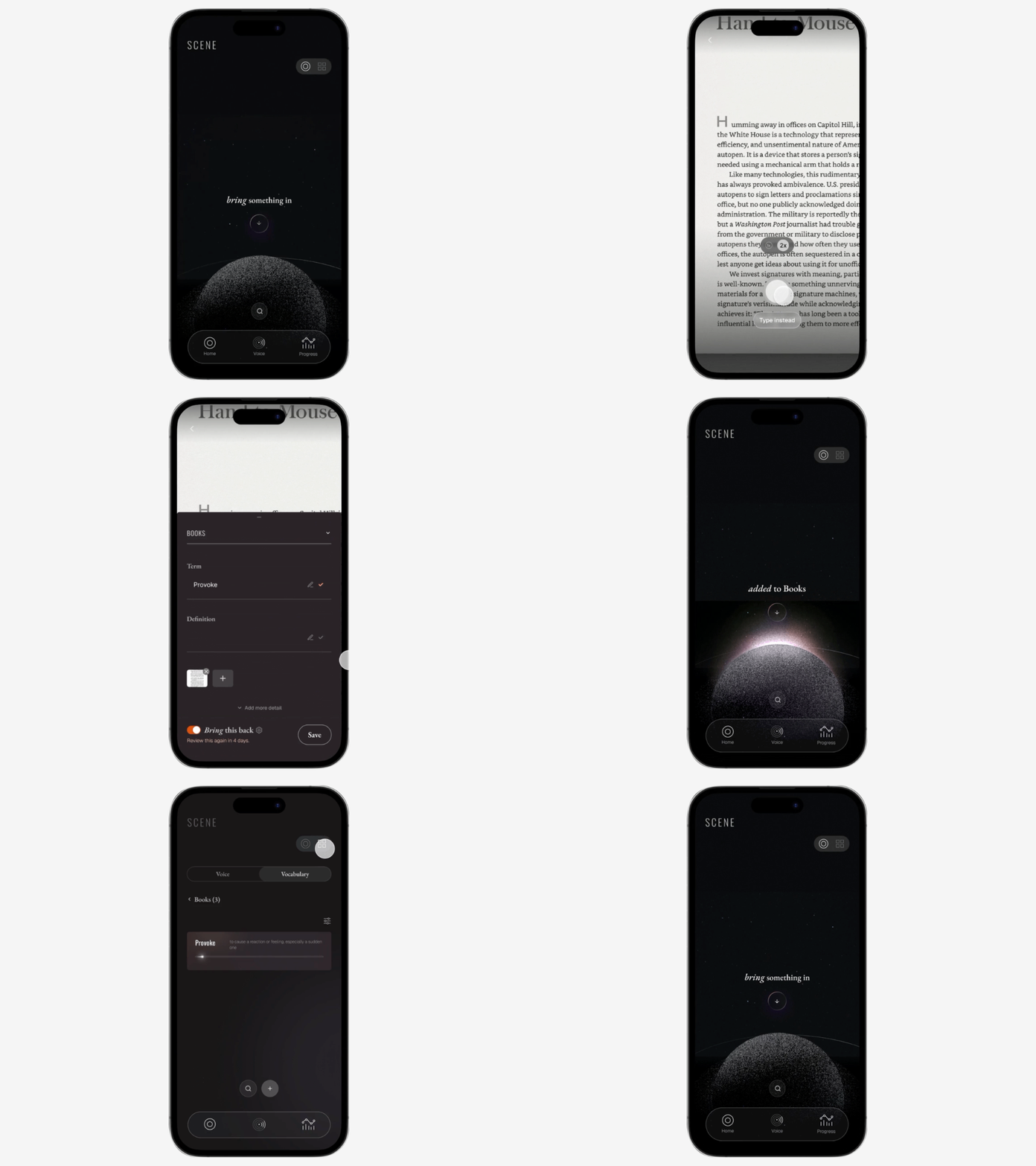
For saving words, I first tried a drag interaction, but participants found it difficult. So I simplified it to a tap, similar to selecting text with Google Lens. When a word is saved, the galaxy briefly glows. Users can also switch to a List View when they want something more practical for everyday use.
Reviewing words
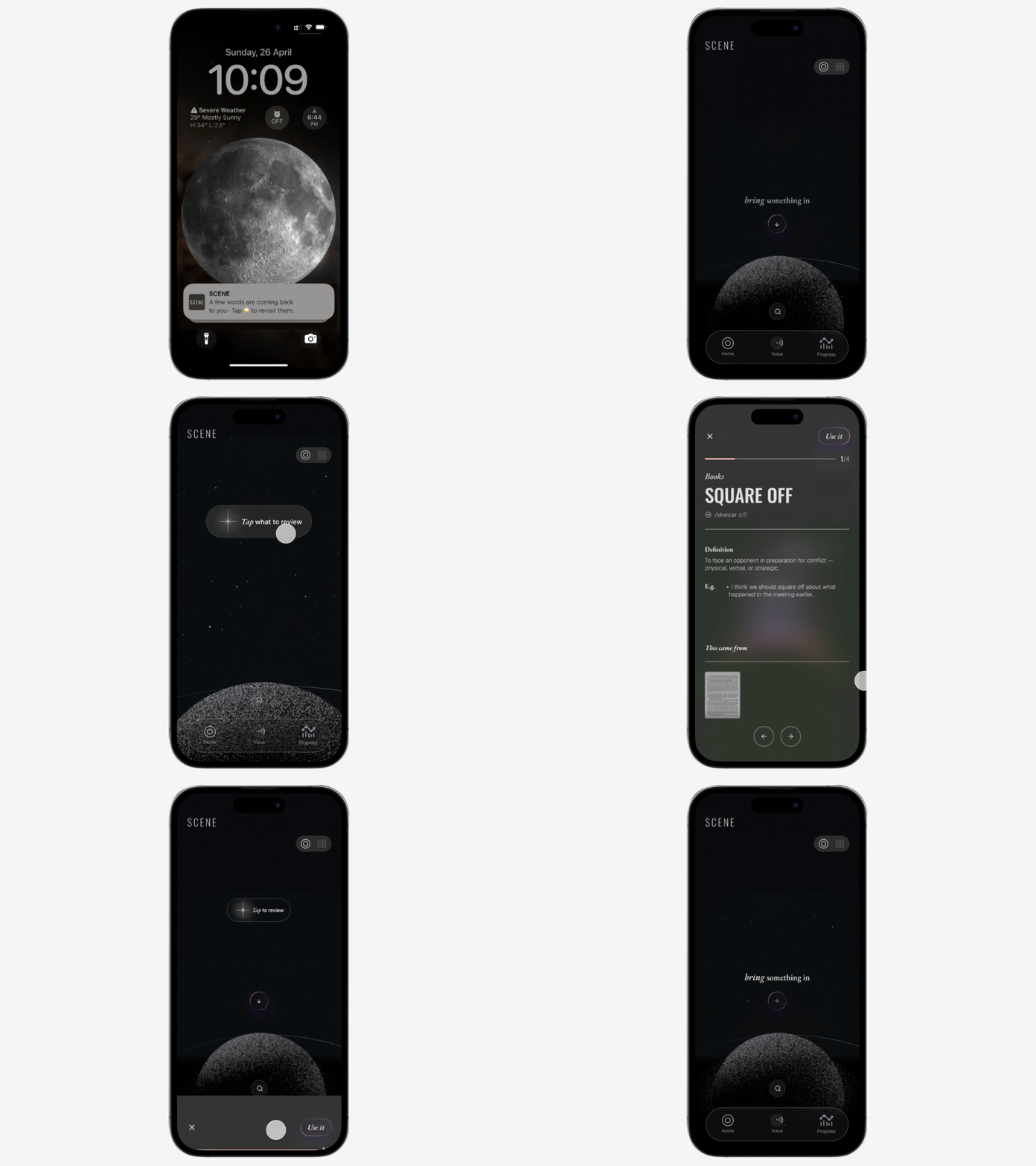
Reviewing words follows the same galaxy metaphor. Saved words first reappear as flickering stars, and tapping one opens the words ready to review. If they don’t want to review one right away, it gently drifts back into the background.
Branching dialogue
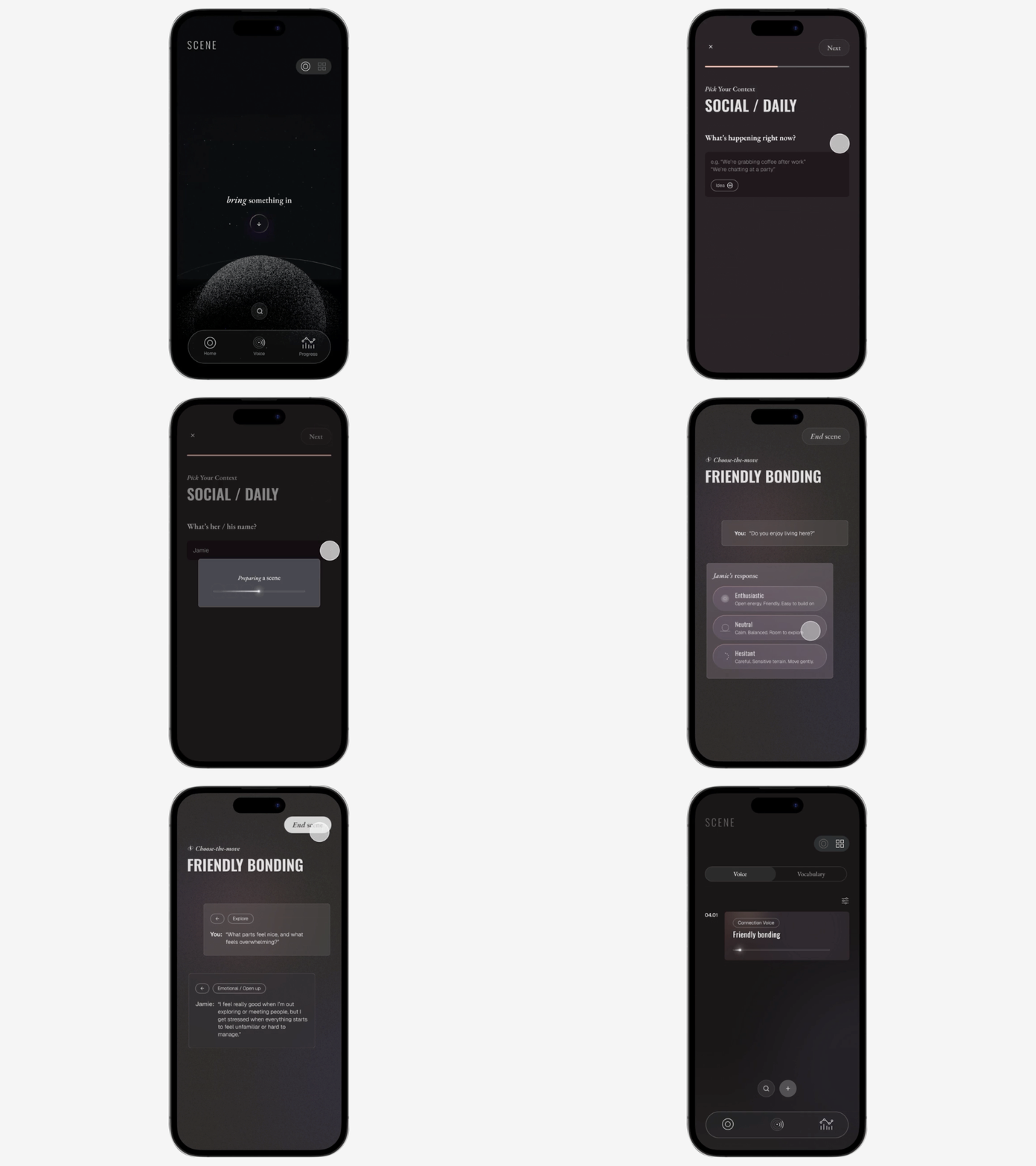
For the high-fidelity prototype, I renamed Practice to Voice. I wanted it to feel less about simply practicing language and more about helping learners find their own voice in real conversations. Voice has three directions and I focused on Connected Voice for everyday conversations because it connects most directly to the branching dialogue. Before starting, learners choose the situation they want to practice, giving the conversation a clear purpose.
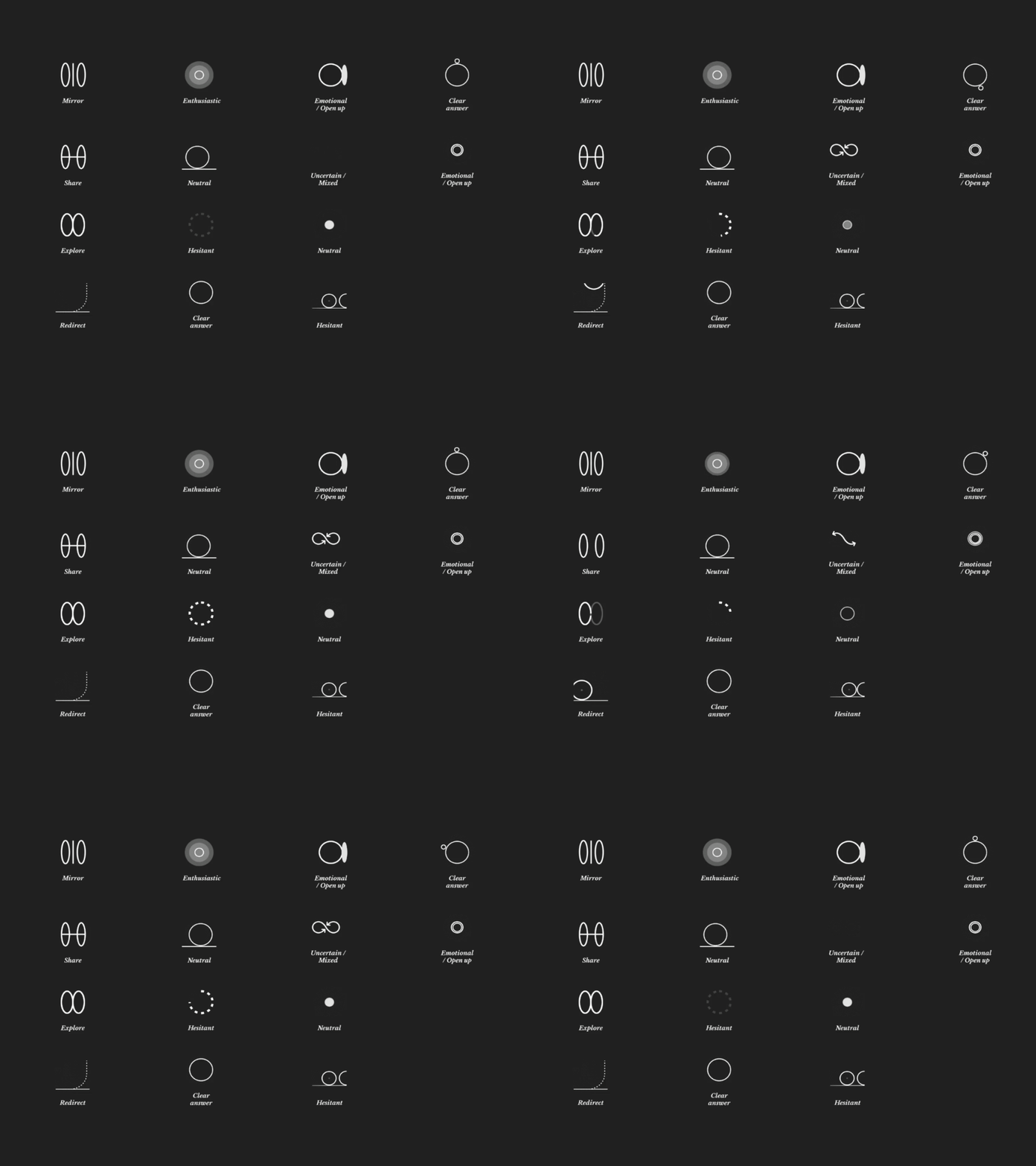
I also added animated icons next to each response as quick cues for the conversational move they’re making.